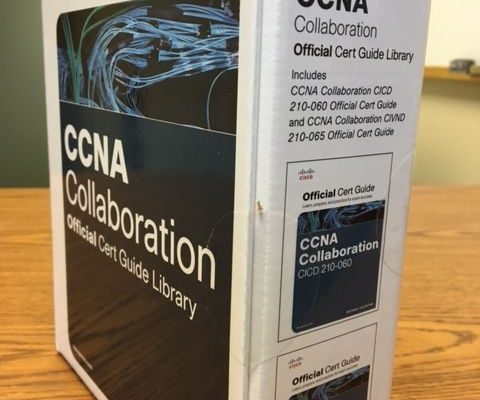
MASTERING CCNA COLLABORATION TRAINING IN INDIA: YOUR PATH TO SUCCESS WITH ENCODE-IT
In the dynamic landscape of India's IT industry, where digital transformation is accelerating at an unprecedented pace, certifications like CCNA Collaboration Training are becoming indispensable for professionals seeking to excel in unified communications and collaboration technologies. As businesses across sectors—from fintech to healthcare—adopt hybrid work models, the need for experts in voice, video, and content-sharing solutions has surged. India, with its vast pool of tech talent and contributions to global IT services, offers fertile ground for such skills. Encode-IT, a leading IT training company with over 25+ years of experience, provides top-tier online CCNA Collaboration Training courses designed specifically for Indian learners. This blog explores the course in depth, including salary structures, career prospects, and why Encode-IT is the ideal partner for your professional growth. We'll also cover other popular IT courses, their salary scales, the perks of enrolling with Encode-IT, and insights into India's IT work culture to give you a complete picture.
WHY CCNA COLLABORATION MATTERS IN INDIA (AND WHY THIS PAGE)
In today’s fast-moving digital workplace, voice, video and unified communications are no longer add-ons — they’re essential. The CCNA Collaboration certification validates skills in Cisco collaboration technologies (IP telephony, video, messaging, and conferencing) and opens doors to roles such as Collaboration Engineer, Voice Engineer, UC Administrator and Contact Center specialist. This guide is written for Indian students and early professionals considering online CCNA Collaboration training from Encode-IT.
WHAT IS CCNA COLLABORATION?
CCNA Collaboration is a certification pathway that focuses on Cisco’s collaboration technologies — implementing, operating and troubleshooting unified communications solutions. Core topics typically include:
- IP telephony concepts (SIP, H.323, call signalling)
- Cisco Unified Communications Manager (CUCM) basics
- Voice and video endpoints configuration
- QoS for voice/video on converged networks
- Basic contact center (UCCX/UCCE) concepts
- Collaboration applications (presence, IM, conferencing)
For IT professionals in India, CCNA Collaboration bridges networking and application layers — ideal for those who enjoy both network engineering and communications services.
WHY CHOOSE ENCODE-IT FOR YOUR ONLINE CCNA COLLABORATION TRAINING?
Encode-IT is uniquely positioned to deliver India-centric IT training:
- 600+ IT courses across networking, cloud, security, development, analytics and more — allowing easy upskilling and cross-training.
- 25+ years of teaching experience, blending classroom and online pedagogy tailored to Indian students.
- Certification preparation: course material aligned to exam objectives, mock tests and strategy sessions.
- Placement assistance: resume reviews, interview prep, employer introductions and placement trackers.
- Comprehensive online notes & resources: downloadable notes, lab guides, and recorded sessions for revision.
- Flexible online format with hands-on labs, real-world case studies and trainer support.
These perks make Encode-IT a strong choice for professionals seeking both certification and career outcomes.
COURSE STRUCTURE — WHAT ENCODE-IT’S ONLINE CCNA COLLABORATION PROGRAM INCLUDES
A typical Encode-IT online CCNA Collaboration course (short/intensive or extended) will cover:
- Foundations (4–6 hours)
- Collaboration basics, codecs, signaling protocols.
- Cisco UC Platforms (20–30 hours)
- CUCM fundamentals, registering devices, basic dial plan.
- Endpoints & Telephony (12–18 hours)
- IP phones, gateways, SIP trunks, survivability.
- Video & Conferencing (8–12 hours)
- Video endpoints, conferencing servers, transcoding basics.
- QoS & Network Readiness (6–10 hours)
- QoS concepts, traffic classification, policing/marking for media.
- Contact Center Basics (6–8 hours)
- UCCX overview, IVR, scripting concepts.
- Labs & Projects (30+ hours)
- Virtual labs, configuration exercises, a capstone project.
- Certification Prep & Mock Exams (8–12 hours)
Format: live instructor sessions, recorded lectures, downloadable notes, graded labs, and mock exams.
SALARY SCALE STRUCTURE — REALISTIC EXPECTATIONS FOR INDIA (ENTRY → SENIOR)
Below are typical salary ranges in India for Collaboration-related roles. These ranges reflect common hiring bands across metro and non-metro IT employers; actual pay varies by city, company, and experience.
1. Collaboration Engineer / Voice Engineer
- Fresher / Trainee (0–1 year): ₹2.5–4.5 LPA
- Junior (1–3 years): ₹4.5–7 LPA
- Mid (3–6 years): ₹7–12 LPA
- Senior / Lead (6+ years): ₹12–22 LPA+
2. UC Administrator / UC Support
- Fresher: ₹2.5–4.2 LPA
- 1–3 years: ₹4.2–6.5 LPA
- 3–6 years: ₹6.5–10 LPA
3. Contact Center / UCCX Specialist
- Fresher: ₹2.5–4.5 LPA
- Experienced (3–6 years): ₹6–10 LPA
4. Network Engineer with Collaboration expertise
- Fresher: ₹3–5 LPA
- 2–5 years: ₹5–9 LPA
- 5+ years: ₹9–18 LPA
Note: Large MNCs (Cisco partners, telecom companies, global services) may offer higher bands and additional benefits (stock, bonuses). Freelance/contract voice engineers can command strong day rates for short-term rollouts.
CAREER PATHS & JOB ROLES AFTER CCNA COLLABORATION
Completing CCNA Collaboration and gaining hands-on lab experience can lead to roles such as:
- Collaboration Engineer / Voice Engineer
- UC Administrator / Systems Engineer (CUCM, IM&P)
- Contact Center Specialist (UCCX/UCCE)
- Network Engineer with Collaboration responsibilities
- Solutions Consultant (pre-sales for UC solutions)
- Implementation Consultant (deployment & migration projects)
- Field Service Engineer (remote/onsite deployments)
Longer term, professionals often move into architecture, program management, or product specialist roles in telecom and enterprise IT.
HOW CCNA COLLABORATION COMPARES TO OTHER IN-DEMAND IT COURSES IN INDIA (SALARY & SCOPE)
Below we compare common IT courses the user asked about, with typical Indian salary ranges and career notes. These are broad ranges reflecting market norms.
1. AI / Machine Learning
- Roles: ML Engineer, Data Scientist, AI Researcher
- Fresher: ₹4–8 LPA
- 2–5 yrs: ₹8–20 LPA
- 5+ yrs / Specialized: ₹20–50 LPA+
- Scope: Very high demand across product companies, fintech, healthcare, e-commerce.
2. Workday HCM
- Roles: Workday Consultant, Functional Analyst
- Fresher / Trainee: ₹3–6 LPA
- 2–5 yrs: ₹6–14 LPA
- Senior / Lead: ₹14–30 LPA
- Scope: Strong in enterprises doing Workday ERP implementations; consultant roles often command premium rates.
3. Cybersecurity
- Roles: Security Analyst, Penetration Tester, SOC Engineer
- Fresher: ₹3–6 LPA
- 2–5 yrs: ₹6–14 LPA
- Senior / Specialist: ₹14–30 LPA+
- Scope: Rapidly growing demand; compliance and cloud security drive hiring.
4. Data Analytics / Business Analysis
- Roles: Data Analyst, BI Developer, Business Analyst
- Fresher: ₹3–6 LPA
- 2–5 yrs: ₹6–12 LPA
- Senior: ₹12–25 LPA
- Scope: Widespread demand across sectors; analysts are essential for data-driven decisions.
5. Cloud Computing (AWS, Azure, GCP)
- Roles: Cloud Engineer, Cloud Architect, DevOps Engineer
- Fresher: ₹3.5–7 LPA
- 2–5 yrs: ₹7–20 LPA
- Architect / Specialist: ₹20–50 LPA+
- Scope: Extremely high demand; cloud skills often combined with DevOps boost pay.
6. SAS CDM (Clinical Data Management)
- Roles: Clinical Data Analyst, SAS Programmer
- Fresher: ₹3–5 LPA
- 2–5 yrs: ₹5–12 LPA
- Senior / Lead: ₹12–20 LPA
- Scope: Niche but strong in pharma and clinical research hubs.
7. Python, Java, Full-Stack Development
- Roles: Software Engineer, Full-Stack Developer
- Fresher: ₹3–6 LPA
- 2–5 yrs: ₹6–15 LPA
- Senior (5+ yrs): ₹15–35 LPA
- Scope: Core engineering roles in startups and large tech companies.
PERKS OF ENROLLING IN ENCODE-IT (DETAILED)
Encode-IT offers several tangible benefits targeted at Indian learners:
- Holistic course ecosystem (600+ courses): Learn adjacent skills — e.g., network engineers can add cloud or Python to increase marketability.
- Certification-aligned curriculum: Course materials and mock exams designed to mirror certification formats.
- Placement support: End-to-end help — resume polishing, soft skills, interview mock rounds, and employer connect.
- Flexible learning: Recorded sessions + live doubt clearing for working professionals.
- Industry-relevant projects & labs: Practical labs to demonstrate competence during interviews.
- Affordable pricing & EMI options: India-friendly payment plans and scholarship/discounts occasionally.
- Experienced trainers (25+ yrs combined experience): Trainers with real deployment experience and domain insights.
- Comprehensive online notes & resources: Downloadable PDFs, lab scripts and session recordings for lifetime access.
- Alumni network & placement tracker: Connect with past students placed across India.
These perks are especially helpful for students transitioning from college to enterprise roles or switching domains.
INDIAN IT WORK CULTURE — WHAT TO EXPECT AFTER CERTIFICATION
Understanding workplace culture helps you transition smoothly:
- Team structures: Collaboration and network teams often sit within IT infrastructure or managed services—expect cross-functional work with network and application teams.
- Work timings & flexibility: Metro hubs (Bengaluru, Hyderabad, Pune, Chennai, Gurgaon) offer hybrid models; contact center/field roles may require shift work.
- Skill emphasis: Problem-solving, troubleshooting, and timely ticket resolution are valued. Certifications help, but practical hands-on experience is crucial.
- Career growth: Performance + specialised skills (cloud, security, automation) accelerate promotions. Soft skills and client communication matter in consulting roles.
- Hiring patterns: Many companies prefer industry certifications (Cisco, AWS) and project experience. Freelance/contract gigs are common for rollout projects.
PLACEMENT SUPPORT & SUCCESS STORIES
“I completed the CCNA Collaboration course online with Encode-IT. The lab sessions and mock interviews were the best part — I cleared my first on-site interview and got hired as a Voice Engineer in Pune. Trainers made complex concepts simple.” — Ankita S., Collaboration Engineer
“As a network admin, adding CCNA Collaboration through Encode-IT doubled my interview callbacks. The placement team helped me prepare for employer-specific scenarios.” — Rahul M., UC Administrator
“I switched from a helpdesk role to contact center implementation after finishing the course. The capstone project showcased my skills during interviews.” — Priya K., UCCX Specialist
HOW TO CHOOSE BETWEEN CCNA COLLABORATION AND OTHER COURSES
Deciding depends on your interests and market strategy:
- Choose CCNA Collaboration if you enjoy network technologies and audio/video applications, want hands-on configuration roles, and prefer infrastructure/telecom domains.
- Choose AI/ML or Data roles if you prefer programming, models and analytics — higher upside but steeper learning curve.
- Choose Cloud/Cybersecurity if you want broad applicability across all IT sectors; cloud + security skills compound value.
- Choose Full-Stack or Java/Python if you want core software engineering roles in product startups and scaleups.
A pragmatic option: start with a foundational certification (CCNA Collaboration or Networking) and then add a complementary skill (Cloud, Python, or Security) from Encode-IT’s 600+ courses.
FINAL CHECKLIST — BEFORE YOU ENROLL
- Verify course syllabus (CUCM labs, QoS, contact center).
- Check access to hands-on labs (virtual or physical).
- Confirm placement assistance details and alumni outcomes.
- Review mock exam frequency and trainer availability for doubt resolution.
- Ask about course duration, timings and refund/transfer policies.
CLOSING — TAKE THE NEXT STEP
If voice, video and unified communications excite you and you want a career with stable demand in India’s IT ecosystem, CCNA Collaboration is a smart, career-focused choice. Encode-IT offers an India-centric online program with strong lab support, certification prep, placement assistance and a vast ecosystem of 600+ courses to help you grow further.