ONLINE SOCKET PROGRAMMING TRAINING IN INDIA: MASTER NETWORK DEVELOPMENT WITH ENCODE-IT
In the interconnected digital age, socket programming forms the backbone of network communications, enabling seamless data exchange in applications from chat systems to cloud services. As India's IT sector surges towards a $500 billion valuation, driven by digital transformation, the demand for skilled socket programmers is escalating. If you're searching for “online socket programming training in India,” Encode-IT emerges as a top choice. With over 25+ years of experience in IT education, Encode-IT delivers specialised online courses that blend theoretical knowledge with practical coding, preparing learners for real-world challenges. This blog explores Encode-IT's Online Socket Programming Training Course, including detailed salary structures, career prospects in India, and overviews of other popular IT courses. We'll also discuss the perks of enrolling, the evolving IT work culture in India, and authentic student testimonials to guide your decision.
WHY LEARN SOCKET PROGRAMMING?
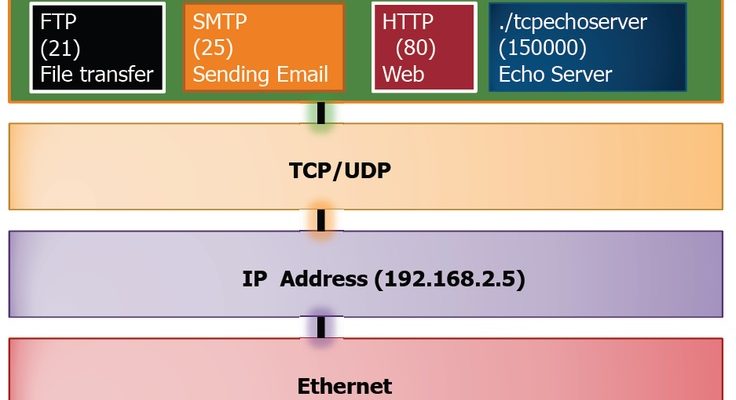
Socket programming is the backbone of networked applications — from multiplayer games and chat apps to microservices, IoT devices, and real-time financial systems. In India, companies building distributed systems, cloud services, fintech platforms, and real-time analytics actively hire engineers who understand sockets, protocols (TCP/UDP), concurrency, and secure networking. A focused online course from a trusted provider like Encode-IT helps bridge theory and practical skills, placing you ahead in developer, DevOps, and backend roles.
WHAT YOU’LL LEARN IN ENCODE-IT’S SOCKET PROGRAMMING TRAINING (COURSE OVERVIEW)
Encode-IT’s online Socket Programming training is structured for beginners to intermediate learners and emphasises hands-on, project-based learning:
- Networking fundamentals: OSI model, TCP/IP stack, ports, DNS basics.
- Socket basics: BSD sockets, creating TCP and UDP sockets, bind, listen, accept, connect.
- Client-server architecture: Single client, multi-client servers, request/response models.
- Concurrency & performance: Multi-threading, multi-processing, async IO, event loops, select/poll/epoll.
- Protocols & serialisation: Designing simple protocols, JSON/Protobuf, framing, message boundaries.
- Security essentials: TLS/SSL sockets, certificate basics, encryption best practices.
- Practical projects: Chat server, file transfer system with resume, simple HTTP server, basic RPC over sockets.
- Debugging & testing: Network sniffing basics, using Wireshark/tcpdump, unit tests for networking code.
- Language coverage: Hands-on labs in Python, Java, and C/C++ (optional modules for Go/Node.js).
- Deployment: Containerising networked apps, basic load balancing, observability.
Courses are paced for working professionals with evening/weekend batches, recorded sessions, downloadable notes, and mentor support for doubt resolution.
WHY CHOOSE ENCODE-IT FOR SOCKET PROGRAMMING?
Encode-IT brings a combination of experience and scale that benefits learners:
- 25+ years of teaching experience in IT training across India — proven domain knowledge and industry alignment.
- 600+ IT courses covering modern and legacy technologies, enabling career pivot and upskilling in one place.
- Certifications on course completion that are industry-aligned and designed for hiring managers to recognise practical skills.
- Placement assistance: Resume support, mock interviews, and tie-ups with hiring partners to help freshers and upskilling professionals.
- Online notes & resources: Downloadable lecture notes, code samples, and practice assignments accessible anytime.
- Flexible learning: Live interactive sessions, recorded backups, and one-to-one mentorship on request.
- Student community: Peer forums, project showcases, and hackathons to build portfolio projects recruiters care about.
COURSE STRUCTURE, DURATION AND EVALUATION
- Mode: 100% online (live + recordings)
- Duration: 6–10 weeks (depending on batch intensity) with 40–60 hours of instructor time
- Projects: 3 capstone projects (chat server, file transfer with resume, lightweight RPC)
- Assessment: Quizzes, project reviews, and final practical test
- Certification: Encode-IT Certificate of Completion (digital badge + printable certificate)
- Support: 6 months of doubt support and placement assistance
CAREER OPPORTUNITIES IN INDIA AFTER SOCKET PROGRAMMING TRAINING
Socket programming skills open doors across roles and industries:
- Backend Engineer / Systems Developer: Building APIs, real-time systems and services.
- Network Software Engineer: Protocol development, network appliances.
- DevOps / Site Reliability Engineer (SRE): Managing distributed services, debugging network issues.
- IoT Engineer: Device-to-cloud communication, low-level networking.
- Game Developer (Multiplayer): Implementing low-latency network logic.
- Security Engineer (Networking focus): Secure socket implementations, TLS hardening.
- Embedded Systems Developer: Networking in constrained devices.
Companies hiring in India include product startups, fintech firms, cloud service integrators, gaming studios, telecom software teams, and IT services companies.
DETAILED SALARY SCALE STRUCTURE (INDIA) — SOCKET/NETWORK ROLES
Below are typical salary ranges in India for roles where socket programming is a core skillset. Keep in mind that salaries vary by city (Bengaluru, Pune, Hyderabad, Chennai, Mumbai), company size, and candidate experience.
- Entry Level / Fresher (0–2 years): ₹3.5 LPA – ₹6.5 LPA
Freshers with strong project portfolios (chat servers, socket projects) can command the higher end, especially in product startups. - Junior / Intermediate (2–5 years): ₹6.5 LPA – ₹12 LPA
Roles like Backend Developer or Network Developer with protocol design, concurrency, and optimization skills. - Senior Engineer (5–10 years): ₹12 LPA – ₹25 LPA
Senior system designers, network software engineers, or SREs with deep protocol and performance tuning experience. - Lead / Architect (>10 years): ₹25 LPA – ₹50+ LPA
Architects designing scalable, secure distributed systems, or product leads in networking-focused companies.
For startups and high-growth product companies, compensation often includes stock options, which can significantly increase total compensation.
IT WORK CULTURE IN INDIA — WHAT TO EXPECT AFTER TRAINING
India’s IT work culture blends global engineering norms with local dynamics:
- Collaborative & fast-paced: Teams are cross-functional; expectation to collaborate closely with product, QA, and operations.
- Hybrid/Remote norm: Post-2020, many companies offer hybrid models; product companies may expect more in-office presence.
- Learning & growth focus: Continuous learning is emphasised — engineers pick new languages, cloud services, and frameworks on the job.
- Extended working hours possible: During releases or critical incidents, extended hours can occur; time management and asynchronous communication help.
- Merit driven with seniority: Good performers rise quickly, but navigating internal processes requires communication skills.
- Interview emphasis: Strong practical portfolio and problem-solving (including networking understanding) are highly valued.
Encode-IT prepares students for these realities through interview prep, mock calls, and industry insights.
RELATED IT COURSES & DETAILED SALARY SCALES (INDIA)
To help you plan a career pathway, here are popular IT courses and typical salary bands in India (entry / mid / senior):
AI / Machine Learning
- Entry (0–2 yrs): ₹4 LPA – ₹8 LPA
- Mid (2–5 yrs): ₹8 LPA – ₹18 LPA
- Senior (5+ yrs): ₹18 LPA – ₹45 LPA+
AI/ML roles often require strong maths, data pipelines, and model deployment skills.
Workday HCM
- Entry: ₹4 LPA – ₹7 LPA
- Mid: ₹7 LPA – ₹15 LPA
- Senior: ₹15 LPA – ₹30 LPA
Workday consultants with implementation experience (especially global payroll/time tracking) are in demand.
Cybersecurity
- Entry (Analyst): ₹3.5 LPA – ₹7 LPA
- Mid (Engineer/Consultant): ₹7 LPA – ₹16 LPA
- Senior (Architect/Lead): ₹16 LPA – ₹35 LPA+
Certifications (CEH, OSCP, CISSP) and hands-on pentesting projects boost salaries.
Data Analytics
- Entry (Analyst): ₹3 LPA – ₹6 LPA
- Mid (Data Scientist/Engineer): ₹6 LPA – ₹15 LPA
- Senior: ₹15 LPA – ₹30 LPA+
Tools: SQL, Tableau/PowerBI, Python, ETL, cloud data lakes.
Business Analysis
- Entry: ₹3 LPA – ₹6 LPA
- Mid: ₹6 LPA – ₹12 LPA
- Senior: ₹12 LPA – ₹25 LPA
Strong domain knowledge, stakeholder handling, and BA certifications help.
Cloud Computing (AWS / Azure / GCP)
- Entry (Cloud Engineer): ₹4 LPA – ₹8 LPA
- Mid (Cloud DevOps/Architect): ₹8 LPA – ₹20 LPA
- Senior (Cloud Architect): ₹20 LPA – ₹45 LPA+
Cloud certifications (AWS Solutions Architect, Azure AZ-104/305, GCP) are highly valued.
SAS / CDM
- Entry: ₹3.5 LPA – ₹8 LPA
- Mid: ₹8 LPA – ₹16 LPA
- Senior: ₹16 LPA – ₹30 LPA
Used widely in pharma and clinical data management roles.
Python / Java / Full Stack Development
- Entry (Developer): ₹3.5 LPA – ₹7 LPA
- Mid: ₹7 LPA – ₹16 LPA
- Senior: ₹16 LPA – ₹35 LPA+
Full stack devs covering backend, frontend, and deployment are in strong demand.
Note: These are indicative ranges for Indian market conditions and vary by city, company, and candidate negotiation. Encode-IT’s placement assistance helps match students to roles within these bands.
HOW ENCODE-IT SUPPORTS PLACEMENT & CERTIFICATION
- Industry-aligned certificates: Practical evaluation-based certificates; digital badges for LinkedIn.
- Placement assistance: Resume building, role-based mock interviews, interview scheduling with partner companies.
- Real projects: Capstone projects that students can showcase during interviews.
- Online notes & repository: Well-organised course notes, code repos, and cheat sheets for quick revision.
- Alumni network: Access to previous batch members working in the industry — referrals and job leads.
- Flexible financing: EMI options and occasional scholarship / early bird discounts.
STUDENT TESTIMONIALS
“Priya S., Bengaluru — I joined Encode-IT’s Socket Programming course with zero network background. The hands-on labs and the capstone project (a chat server) helped me land a backend role at a fintech startup within three months.”
“Rahul M., Pune — The trainers explain concurrency and socket edge cases extremely well. Placement support helped me prepare for technical interviews and negotiate my first offer confidently.”
“Anita K., Hyderabad — I liked the small batch size and the downloadable notes. The mentor reviewed my project code and gave practical tips that made a big difference during interviews.”
FINAL TIPS: HOW TO GET THE MOST FROM THE COURSE
- Practice daily: Networking concepts stick with frequent coding (build small tools).
- Work on portfolio projects: Hosted demos (Heroku/Cloud Run) and GitHub repos matter.
- Pair with cloud learning: Deploying socket apps in containers and using cloud load balancers increases employability.
- Study security: Understanding TLS certificates and secure sockets will set you apart.
- Prepare for interviews: Practice system design with a focus on scalability and reliability for networked systems.
CLOSING NOTE
Socket programming is an evergreen skill that complements modern stacks — microservices, cloud, and real-time platforms all benefit from engineers who understand low-level networking. Combine Encode-IT’s focused course with portfolio projects and cloud know-how, and you’ll be well positioned for the growing number of network-centric roles across India’s tech industry.